How Roof Certification Protects Lenders and Insurance Companies
Roof certification helps protect lenders and insurance companies by verifying roof condition, and local contractors can provide the necessary inspections to ensure compliance.
Understanding how roof certification protects lenders and insurance companies is essential for property owners navigating real estate transactions or managing insurance claims. When a roof is properly evaluated and certified by experienced local contractors, it provides a clear record of the roof’s condition, helping lenders assess the value and risk associated with a property. Insurance companies also rely on these certifications to determine coverage eligibility and to streamline claims processing, ensuring that all parties have confidence in the roof’s integrity. Property owners in the area who are considering refinancing, selling, or filing insurance claims can benefit from insights into how roof certification plays a crucial role in safeguarding their investments.
For those exploring options to ensure their property meets lender and insurer expectations, local service providers offer a range of roof certification services designed to verify roof condition accurately. These professionals can help property owners understand what inspections entail and how a certified roof can support smoother financial and insurance processes. By connecting with experienced local contractors, property owners can gain peace of mind knowing their roof’s condition is clearly documented, reducing potential delays or complications in transactions and claims. Keep reading to learn more about how roof certification can be a valuable step in protecting financial interests and maintaining property value.
- Roof inspection services help lenders verify the condition of a property’s roof before approving a mortgage, with local contractors providing thorough assessments. Insurance companies often require roof certification to determine coverage eligibility and assess potential risks, which local service providers can facilitate. When a property has experienced storm damage or shows signs of wear, roof certification from local pros ensures accurate documentation for lenders and insurers. Real estate transactions may involve roof certification to confirm the roof’s integrity, with local contractors offering reliable evaluations. Property owners seeking to protect their investments can rely on local pros to deliver detailed roof certifications that support lender and insurance company requirements.
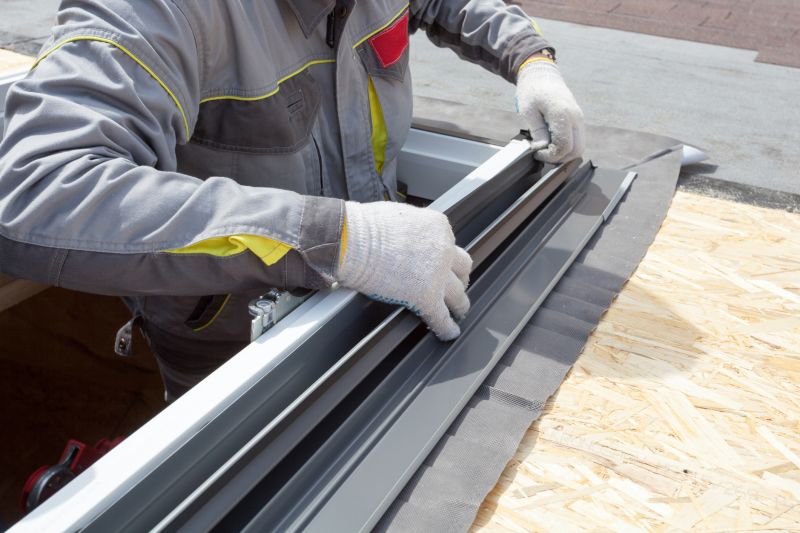
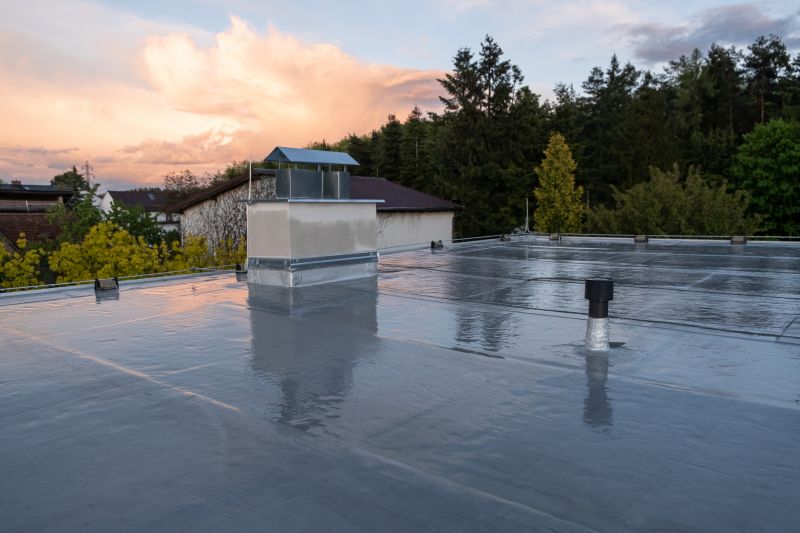
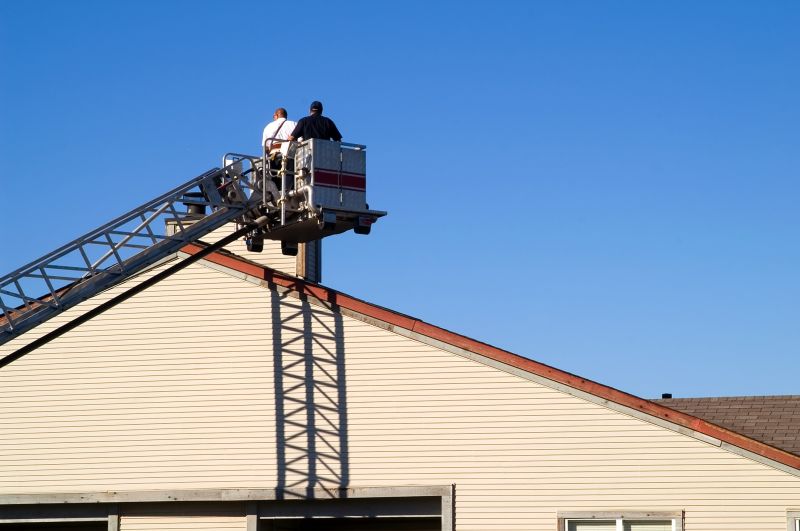
When people search for how roof certification protects lenders and insurance companies, they are often trying to understand the value of having a verified assessment of a property's roof condition. This process involves evaluating the roof’s current state to determine its integrity and remaining lifespan. Homeowners, real estate professionals, or property investors may seek roof certification to ensure that a roof is in acceptable condition before a sale or refinancing, or to satisfy insurance requirements. For lenders and insurance companies, this certification offers a clear picture of potential risks associated with roof damage, helping them make more informed decisions about financing or coverage. It acts as a safeguard against unexpected costs and future claims related to roof issues.
Roof certification relates closely to problems like aging roofing materials, storm damage, or previous repairs that may not be immediately visible from the ground. When a roof shows signs of wear or damage, it can lead to costly repairs or insurance claims down the line. Property owners often plan roof certification as part of a larger property assessment or maintenance strategy, especially before major transactions or policy renewals. For lenders, understanding the roof’s condition helps determine whether the property meets safety and value standards, reducing the risk of lending on a property with hidden or unresolved roof issues. Insurance companies benefit by verifying that the roof is sound enough to withstand potential claims, which can influence coverage terms or premiums.
The types of properties that typically come up in discussions about roof certification include residential homes, multi-family buildings, and commercial properties. Single-family houses are the most common, especially when they are older or have recently experienced severe weather events. Multi-unit residential buildings, such as apartment complexes, often require roof assessments to ensure the safety of tenants and protect investment values. Commercial properties, including retail centers or office buildings, also benefit from roof certification to confirm that their roofing systems are structurally sound and compliant with insurance standards. Local contractors who specialize in roof inspections and certifications are familiar with the specific needs of these property types and can provide the detailed evaluations necessary for lenders and insurers to make confident decisions.
Understanding how roof certification protects lenders and insurance companies emphasizes the importance of engaging experienced local service providers. These professionals perform thorough inspections, identify potential issues, and provide documentation that supports property valuation and risk assessment. For homeowners and property managers, working with trusted local pros ensures that the roof’s condition is accurately represented, which can streamline financing or insurance processes. Additionally, having a current roof certification can help prevent disputes or delays related to claims or loan approvals, making it a practical step in managing property risks. In many cases, local contractors serve as the critical link between property owners and the financial or insurance entities that rely on reliable roof assessments.
Roof Inspection Projects - These projects involve detailed assessments of roof conditions, which are essential for determining a property's insurability and loan eligibility, aligning closely with roof certification services.
Property Condition Reports - Preparing comprehensive reports on building exteriors, including roofing systems, helps lenders and insurance companies evaluate risk and ensure compliance with standards.
Pre-Listing Property Assessments - Local contractors conduct evaluations to verify roof integrity before property transactions, supporting accurate valuation and insurance underwriting.
Damage Assessment and Repair Validation - Assessing roof damage after storms or incidents ensures repairs meet required standards, protecting lenders and insurers from future liabilities.
Roof Replacement Inspections - Verifying proper installation and quality of new roofs helps lenders and insurance providers confirm the property's value and insurability.
Wind and Hail Damage Evaluations - These assessments identify potential issues that could impact insurance claims and loan security, ensuring proper documentation for coverage decisions.

When selecting service providers for roof certification, it’s important to consider their experience with similar projects, especially those involving properties that require documentation for lenders and insurance companies. A contractor with a solid track record in handling roof certifications for homes or commercial buildings can provide insights into the specific standards and expectations that lenders and insurers prioritize. This experience helps ensure that the certification process aligns with industry requirements, reducing the risk of delays or issues during loan approvals or insurance claims.
Clear written expectations are essential when comparing local contractors for roof certification services. A reputable service provider should be able to outline what the certification process entails, including the scope of inspection, documentation provided, and any follow-up actions needed. Having this information in writing helps homeowners understand what to expect and ensures there are no surprises. It also provides a basis for comparing different providers based on transparency and professionalism, which are key factors in selecting a reliable partner for such an important task.
Good communication and reputable references are vital when choosing a local contractor for roof certification. Contractors who communicate clearly and promptly can make the process smoother and more predictable. Additionally, references from previous clients who have had similar certifications can offer valuable insights into the provider’s reliability, quality of work, and professionalism. Gathering feedback from past customers can help homeowners identify service providers who consistently meet expectations and are capable of handling the specific requirements needed to support lenders and insurance companies effectively.
Property owners often search for how roof certification protects lenders and insurance companies when they are planning practical projects around their homes and businesses. Local pros provide Roof Certification services for everyday jobs and straightforward project options.


In everyday property transactions, understanding how roof certification protects lenders and insurance companies can be a key factor for property owners. When a homeowner is preparing to refinance or sell a property, lenders often require a roof certification to verify the roof’s condition and ensure it meets necessary standards. Insurance companies may also request this certification to assess potential risks and determine coverage eligibility. Having a clear, up-to-date roof certification from trusted local contractors helps streamline these processes, providing peace of mind that the property’s roof is in good condition and reducing the likelihood of unexpected issues down the line.
For property owners in the area, seeking roof certification services from experienced local contractors can be an important step in safeguarding their investments. These professionals perform thorough inspections that confirm the roof’s integrity, which can be crucial when dealing with lenders or insurance providers. By obtaining a certification from reputable local service providers, homeowners can help ensure their property meets the necessary criteria for financing or coverage, potentially avoiding delays or complications related to roof condition assessments. This simple step can make a significant difference in maintaining smooth property transactions and protecting financial interests.
How does roof certification help lenders? Roof certification provides lenders with verified information about a property's roof condition, reducing the risk of unexpected repair costs and ensuring the property's value is accurate during financing processes.
In what way does roof certification protect insurance companies? Insurance companies benefit from roof certification by obtaining documented evidence of roof condition, which helps in assessing risk, preventing fraudulent claims, and determining appropriate coverage terms.
Why should property owners consider roof certification for financial protection? Property owners can gain peace of mind that their roof meets safety and condition standards, potentially avoiding claim disputes and ensuring smoother transactions with lenders and insurers.
What role do local contractors play in roof certification for lenders and insurance companies? Local contractors perform inspections and provide certification reports that verify roof integrity, supporting lenders and insurance providers in making informed decisions.
How does roof certification influence the approval process for loans and insurance policies? Accurate roof certification can streamline approval processes by providing credible documentation of roof condition, helping lenders and insurers evaluate risk more effectively.
Property Documentation - A comprehensive roof certification provides clear documentation of roof conditions, helping lenders and insurance companies verify property value and coverage eligibility.
Risk Assessment - Local contractors can assess roof integrity to identify potential issues, reducing the likelihood of future claims or loan risks for financial institutions.
Damage Prevention - Regular roof inspections and certifications can catch minor problems early, preventing costly repairs that could impact insurance claims or loan security.
Market Confidence - Certified roof conditions can increase confidence in property investments, making it easier for lenders and insurers to evaluate and approve transactions.
If you are thinking about how roof certification protects lenders and insurance companies for a property, this guide is meant to help you understand this topic, the typical project types, and how different options might fit your plans.
When you are ready, you can use the quote form on this page to share a few details about your project. From there, local pros can review the basics and follow up with options that match what you have in mind.