When a Roof Certification Is Required During a Home Sale
When a roof certification is required during a home sale, local contractors can evaluate your roof’s condition and provide the necessary documentation to meet seller or buyer requirements.
Homeowners preparing to sell a property often encounter questions about the need for a roof certification during the sale process. This requirement can vary depending on local regulations, the age and condition of the roof, or specific buyer or lender demands. Understanding when a roof certification is necessary helps ensure a smooth transaction and can prevent unexpected delays. Property owners in the area might explore this topic to better navigate the selling process, assess the condition of their roof, and determine if professional evaluation or repairs are advisable before listing.
Local service providers who specialize in roof assessments and certifications are well-equipped to assist with these needs. They can evaluate the roof’s condition, provide the necessary documentation, and help property owners meet any applicable requirements. Keeping informed about when a roof certification is required during a home sale can make the process more straightforward, and connecting with experienced local contractors ensures the work is handled efficiently and accurately. Keep reading to learn more about the circumstances that typically call for a roof certification during a property transaction.
- Home sale inspections - when a roof certification is required during a home sale, local contractors often perform thorough roof assessments to determine condition and compliance.
- Real estate transactions - during property transfers, service providers can evaluate the roof to provide certification reports that satisfy buyer and lender requirements.
- Pre-listing evaluations - homeowners planning to sell may seek roof certifications from local pros to ensure their roof meets safety standards and facilitates a smoother sale process.
- Buyer’s due diligence - buyers may request a roof certification as part of their inspection contingency, with local contractors conducting evaluations to confirm roof integrity.
- Loan or insurance requirements - when a roof certification is needed during a home sale, service providers can assess the roof to help meet lender or insurance policy conditions.
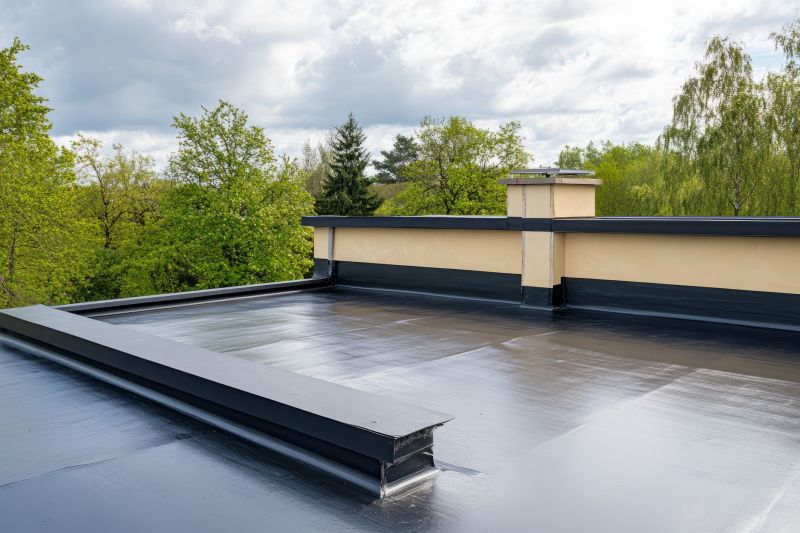
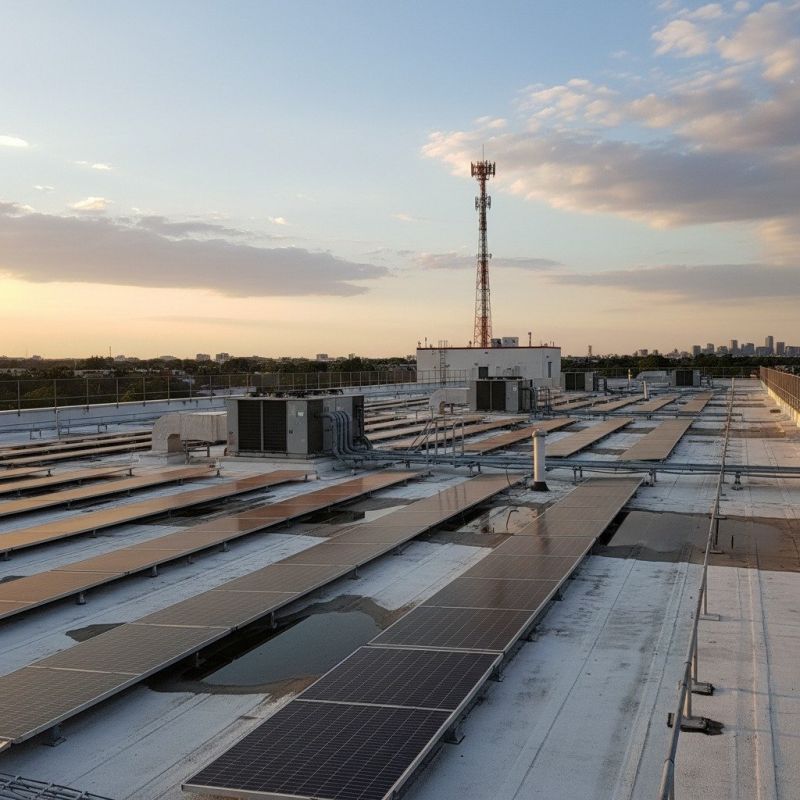
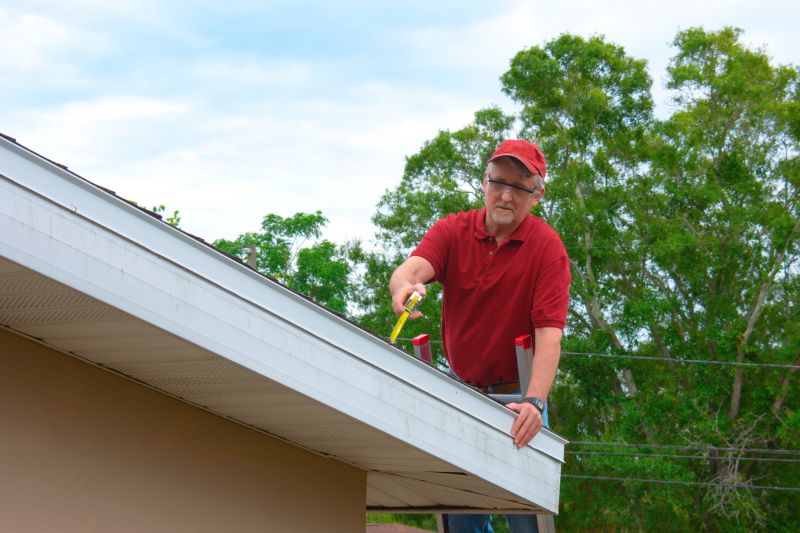
When searching for information about when a roof certification is required during a home sale, homeowners often want to understand the specific circumstances that trigger this requirement. Typically, a roof certification is needed when a property is being sold and there are concerns about the roof’s condition or its ability to meet local safety and building standards. Sellers may be asked to provide proof that the roof is in good condition or to obtain a certification confirming it meets certain criteria. Buyers, on the other hand, might request a roof certification to ensure the roof is sound before completing the purchase, especially if the roof is older or has visible issues. This process helps both parties assess potential risks and avoid unexpected costs after the sale.
The need for a roof certification often relates to property transfer plans that involve inspections or appraisals. For example, some local regulations or lender requirements may mandate a roof certification as part of the home inspection process. This is common in regions where building codes or insurance policies emphasize roof safety and longevity. Additionally, homeowners planning renovations or updates might seek a roof certification to document the current state of the roof, which can be useful during negotiations or when updating property disclosures. Overall, this certification acts as a formal assessment that confirms whether the roof is in acceptable condition, reducing uncertainty during real estate transactions.
Properties that typically come up in discussions about roof certifications include older homes, homes with visible roof damage, or properties in areas prone to severe weather conditions. Older houses often require a roof certification to verify that the roof can withstand the demands of the local climate and to meet lender or insurance standards. Homes with visible issues such as missing shingles, leaks, or sagging areas may need a certification to demonstrate the roof’s integrity or to identify necessary repairs. Additionally, properties situated in regions with frequent storms, heavy snowfall, or other weather challenges are more likely to require a roof certification to ensure the roof’s durability and compliance with local safety standards.
Local service providers who handle roof certifications play a key role in helping homeowners navigate these requirements. These professionals perform inspections to evaluate the roof’s condition and provide the necessary documentation for real estate transactions. They can identify potential issues that may need attention before a sale, helping sellers prepare their homes and avoid delays. For buyers, local pros offer unbiased assessments that clarify the roof’s status and inform negotiation strategies. Since the certification process can vary depending on local building codes and property types, working with experienced service providers ensures that homeowners receive accurate evaluations aligned with regional standards. This support makes it easier to meet the specific requirements of each home sale and move forward confidently.
Roof Inspection Services - professionals who assess roof condition and identify issues that may impact a roof certification during a home sale.
Roof Repair & Maintenance - contractors who address minor repairs and maintenance needs to ensure a roof passes certification requirements.
Structural Inspection Services - experts who evaluate the overall integrity of the roof structure, which can influence certification eligibility.
Home Inspection Services - inspectors who evaluate the entire property, including the roof, to support the certification process during a sale.
Weatherproofing & Leak Repair - specialists who fix leaks and improve waterproofing to meet certification standards for home transactions.
Roof Replacement Services - local contractors who install new roofs when existing roofs do not meet certification criteria for a home sale.

When evaluating local contractors for roof certification services during a home sale, it is important to consider their experience with similar projects. Homeowners should seek service providers who have a proven track record of handling roof assessments in real estate transactions, as this indicates familiarity with the specific requirements and standards involved. An experienced contractor is more likely to identify potential issues accurately and provide reliable documentation needed for the sale process, helping to ensure the certification is completed efficiently and correctly.
Clear written expectations are essential when comparing local service providers for roof certification. Homeowners should request detailed descriptions of the services offered, including what the assessment entails, what documentation will be provided, and any conditions that might affect the certification. Having these expectations in writing helps prevent misunderstandings and ensures that both parties are aligned on the scope of work, making the process smoother and reducing the likelihood of surprises or additional costs later on.
Reputable references and effective communication are also key factors to consider. Service providers with positive references from previous clients can offer insights into their professionalism, reliability, and quality of work. Additionally, good communication-such as prompt responses to inquiries and clarity in explaining findings-can make the certification process less stressful and more transparent. Homeowners should prioritize contractors who demonstrate transparency, responsiveness, and a history of satisfied clients, as these qualities contribute to a more trustworthy and straightforward experience when obtaining a roof certification during a home sale.
Property owners often search for when a roof certification is required during a home sale when they are planning practical projects around their homes and businesses. Local pros provide Roof Certification services for everyday jobs and straightforward project options.
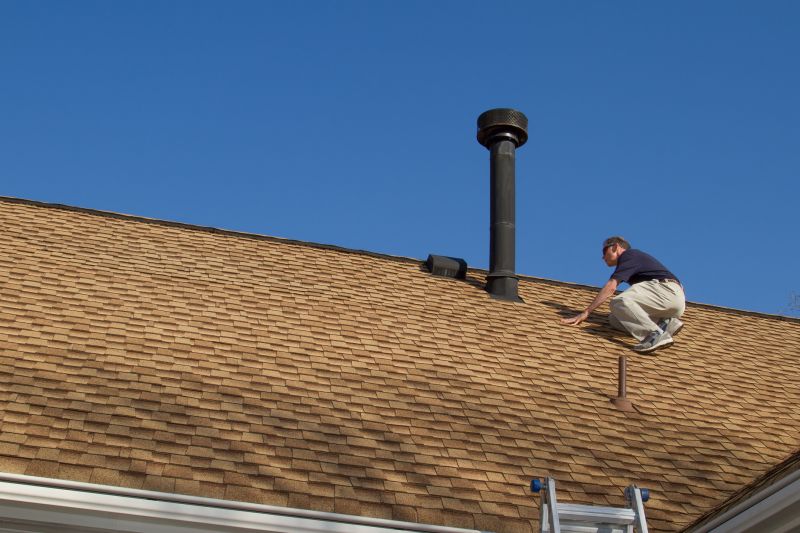
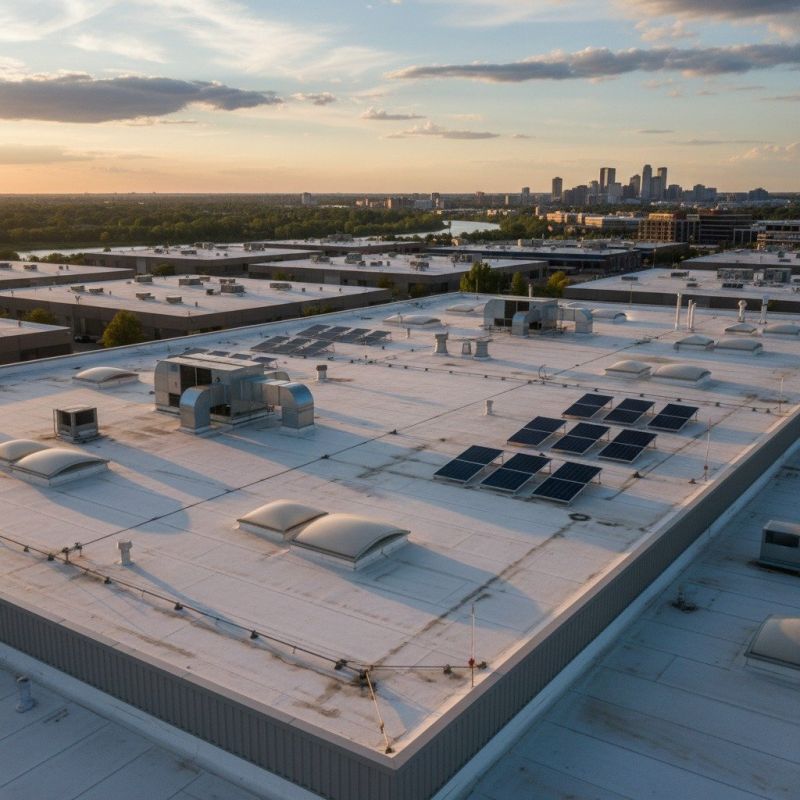
When preparing a home for sale, property owners often encounter situations where a roof certification becomes necessary. This requirement can come up during the home inspection process or when the buyer requests proof of the roof’s condition. Homeowners in the area might look up this topic if they suspect their roof has underlying issues or if recent weather events have caused concern. Local contractors who specialize in roof assessments can provide the necessary evaluations to determine if a roof certification is needed, helping sellers meet buyer expectations and streamline the sale process.
In many cases, a roof certification is required when the home has an older roof or if there are visible signs of wear and tear. Sellers may seek out local service providers to get an expert opinion on the roof’s integrity, especially if the home inspection uncovers potential problems. These professionals can perform thorough inspections to assess the roof’s condition and issue the certification if it meets the necessary standards. Connecting with experienced local contractors ensures homeowners have reliable information and can address any issues proactively, making the home sale smoother and more transparent.
When is a roof certification typically required during a home sale? A roof certification is often requested when a home is being sold if the roof is older or shows signs of wear, to verify its condition and ensure it meets safety standards.
Do all home sales require a roof certification? Not all transactions require a roof certification; it depends on local regulations, lender requirements, or the preferences of the buyer and seller, with local contractors available to perform assessments if needed.
How can local service providers assist with roof certifications during a home sale? Local contractors can evaluate the roof’s condition, provide the necessary certification, and suggest repairs or maintenance to meet sale requirements.
Is a roof certification necessary if the roof has recently been repaired or replaced? Typically, a recent repair or replacement may reduce the need for a certification, but some buyers or lenders may still request one for assurance, which local pros can provide.
What factors influence whether a roof certification is required during a home sale? Factors include the age and condition of the roof, local building codes, lender policies, and the terms of the sale, with local contractors able to determine if a certification is needed.
Understanding roof condition requirements - property owners can review local regulations to determine when a roof certification is needed during a home sale.
Scheduling roof inspections in advance - arranging for roof assessments with local contractors helps ensure certification is ready when required.
Identifying potential repair needs - homeowners can work with local pros to address issues that might affect the roof certification process.
Preparing documentation for the sale process - gathering necessary reports and certifications from local service providers can streamline the transaction.
If you are thinking about when a roof certification is required during a home sale for a property, this guide is meant to help you understand this topic, the typical project types, and how different options might fit your plans.
When you are ready, you can use the quote form on this page to share a few details about your project. From there, local pros can review the basics and follow up with options that match what you have in mind.