What to Expect During a Professional Roof Certification
People seeking roof certification typically want to verify their roof's condition, and local contractors can provide professional inspections to ensure accurate assessments.
If you're considering a professional roof certification, you're in the right place to learn what to expect during the process. Property owners in the area often explore this service to ensure their roofs are in solid condition, whether for peace of mind, property transactions, or planning future upgrades. During a roof certification, experienced local contractors typically perform a thorough inspection, assessing the roof’s structure, materials, and overall integrity. This evaluation helps identify any existing issues or potential concerns that might need attention, giving property owners a clear understanding of their roof's current state.
Understanding what happens during a roof certification can make the experience less daunting and more practical. Local service providers often explain their findings in straightforward terms and recommend appropriate next steps, whether that means simple repairs or more extensive work. This service can be especially valuable for those preparing to sell, purchase, or simply maintain their property’s value. Keep reading to discover how local pros approach roof certifications and how their expertise can help you make informed decisions about your roof’s condition.
- Roof inspection services - homeowners planning to sell or purchase a property may need a roof certification to verify roof condition, with local contractors conducting thorough visual assessments and identifying potential issues.
- Roof repair evaluations - when signs of damage or wear are present, local service providers perform detailed inspections to determine if repairs are necessary to meet certification standards.
- Roof age assessments - individuals considering refinancing or insurance claims often require a roof certification that includes evaluating the roof’s age and overall lifespan, handled through comprehensive inspections by local pros.
- Pre-listing roof inspections - sellers preparing a home for sale might seek a roof certification to ensure transparency, with local contractors inspecting for damage, leaks, or deterioration.
- Post-storm roof assessments - after severe weather events, homeowners may need a roof certification to document condition for insurance purposes, with local pros performing damage inspections and documentation.
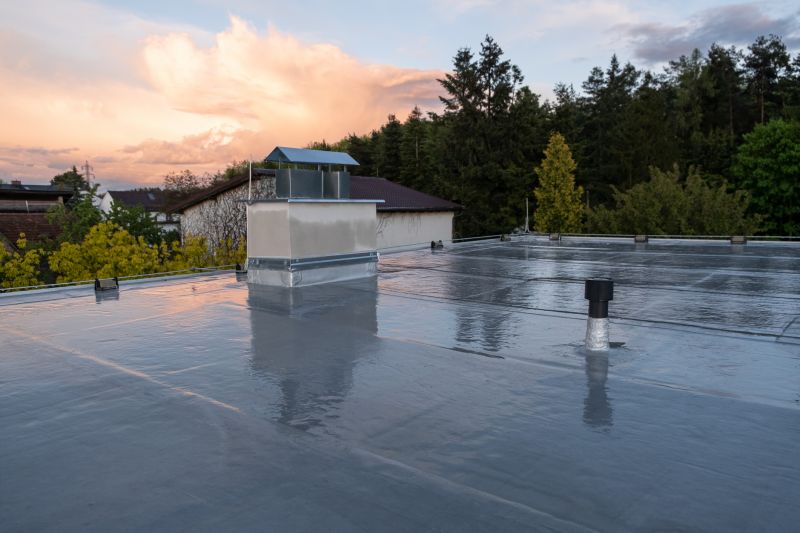

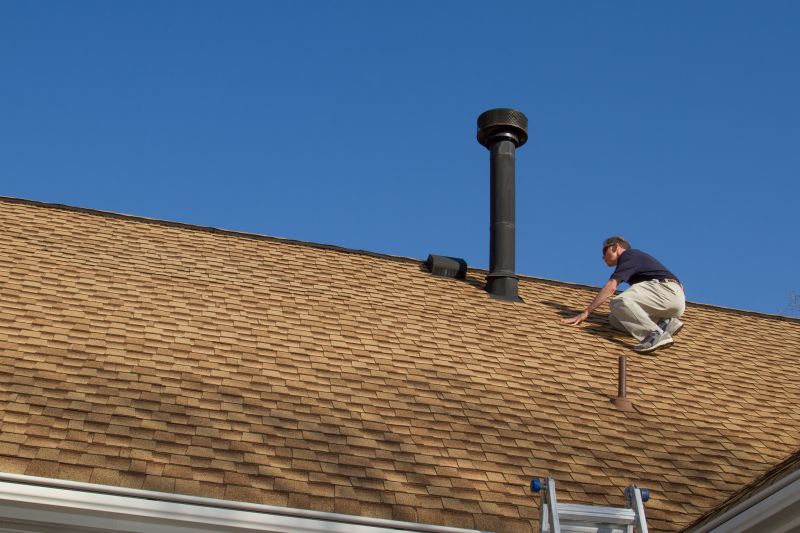
A professional roof certification is a detailed inspection process that evaluates the condition and integrity of a roof. When people search for what to expect during a professional roof certification, they are often looking for clarity on how the process works and what assessments are involved. Typically, these inspections are requested when homeowners are considering selling or buying a property, or when a property owner wants to confirm the roof’s overall health. The goal is to identify existing issues, potential risks, and the remaining lifespan of the roofing system. Local contractors who perform roof certifications will thoroughly examine the roof’s surface, flashing, ventilation, and underlying structure to provide an accurate assessment of its current condition.
The process of a roof certification generally relates to property plans that involve repairs, replacements, or property transactions such as sales or refinancing. For homeowners planning to sell, a certification can serve as proof of the roof’s condition, potentially easing negotiations and reducing future liabilities. Conversely, buyers use certifications to verify that the roof is sound before completing a purchase. For properties with aging or damaged roofing, a certification can also help determine whether repairs are sufficient or if a replacement is necessary. Local service providers who specialize in roof certifications are experienced in identifying common problems like leaks, damaged shingles, or compromised flashing, and they can advise on the best course of action based on the inspection results.
The types of properties that typically require a roof certification include residential homes, multi-family buildings, and commercial properties. Single-family homes are the most common, especially when they are older or have experienced recent weather events that could have impacted the roof’s integrity. Multi-unit residential buildings often need certifications to ensure all roofs meet safety standards before leasing or selling. Commercial properties, which may have flat or low-slope roofs, also frequently undergo certification to confirm they are free from leaks or structural issues that could affect business operations. Local contractors who offer roof certification services understand the unique features of different property types and can tailor their inspections accordingly, ensuring that property owners receive a comprehensive evaluation relevant to their specific building.
During a professional roof certification, homeowners can expect a thorough visual inspection combined with a review of the roof’s accessible components. The process often involves examining the roof surface for signs of wear, damage, or deterioration, as well as checking flashing, gutters, and ventilation systems. In some cases, service providers may perform non-invasive tests or recommend minor repairs to better assess the roof’s condition. The inspector will typically document their findings and provide a detailed report outlining any issues discovered, along with recommendations for repairs or further evaluation. This comprehensive assessment helps homeowners and property managers understand the roof’s current state and plan accordingly, ensuring that any necessary work is addressed before it becomes more costly or problematic.
Local roof certification professionals play a vital role in connecting property owners with qualified inspectors who can deliver accurate, reliable evaluations. These service providers coordinate inspections, ensuring that the process is smooth and tailored to each property’s needs. By working with experienced local contractors, homeowners can gain peace of mind knowing that their roof’s condition has been thoroughly assessed by experts familiar with the regional climate and common roofing challenges. Whether preparing a home for sale, verifying the safety of an existing roof, or planning future repairs, connecting with trusted local pros ensures that the inspection process meets expectations and provides valuable insights into the roof’s health and longevity.
Roof Inspection Services - Professionals conduct thorough assessments of roof conditions, utilizing similar skills to identify potential issues during a certification process.
Roof Repair and Maintenance - These projects require detailed planning and the use of specialized tools, aligning with the work involved in preparing a roof for certification.
Roof Replacement Projects - Similar planning and evaluation skills are needed to determine if a roof is suitable for certification or requires replacement beforehand.
Leak Detection Services - Detecting leaks involves inspection techniques comparable to those used during a roof certification to assess integrity and safety.
Gutter and Drainage System Installations - Properly functioning drainage systems are often checked during roof assessments, requiring similar planning and technical skills.
Attic and Ventilation Inspections - These evaluations complement roof assessments by ensuring proper ventilation, which is a key aspect of comprehensive roof certification services.
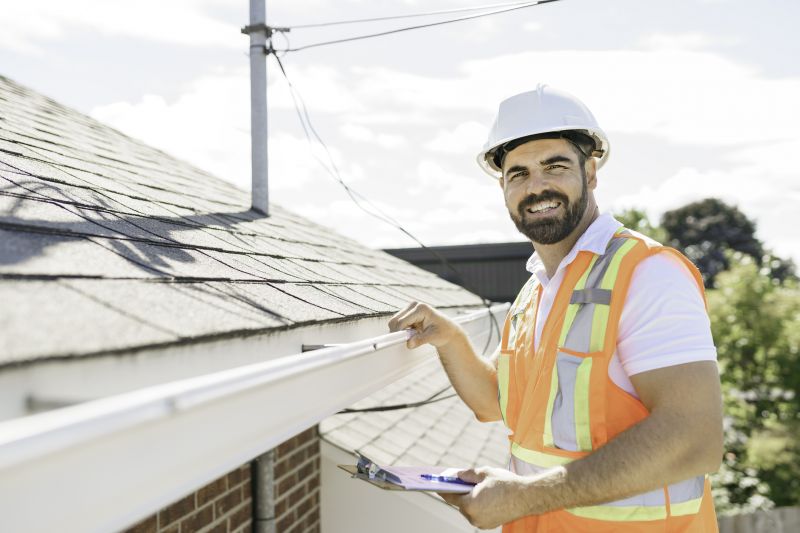
When evaluating service providers for a roof certification, it is important to consider their experience with similar projects. Homeowners should look for local contractors who have a proven track record of performing roof inspections and certifications on properties comparable to their own. An experienced professional will be familiar with common roofing materials, construction styles, and potential issues specific to the area, which can contribute to a more thorough and accurate assessment of the roof’s condition. Asking about the number of certifications completed and the types of properties they have worked on can help ensure the contractor has the relevant expertise needed for a comprehensive evaluation.
Clear, written expectations are a key factor when comparing local contractors for roof certification services. A reputable service provider should be able to outline what the certification process involves, including what areas of the roof will be inspected, what conditions might be noted, and what documentation will be provided upon completion. Having these details in writing helps prevent misunderstandings and ensures that homeowners know exactly what to expect during the process. Transparency about the scope of work and deliverables also allows for easier comparison between different providers, making it simpler to choose a professional who aligns with the homeowner’s needs.
Reputable references and good communication are essential qualities to consider when selecting local contractors for roof certification services. Homeowners are encouraged to seek out service providers with positive references from previous clients, particularly those who have had similar projects. Reliable communication throughout the process-such as prompt responses to questions and clear explanations of findings-can greatly enhance the overall experience. Contractors who prioritize transparent dialogue and provide thorough, easy-to-understand information are more likely to deliver a smooth certification process, giving homeowners confidence in the assessment and any subsequent recommendations.
Property owners often search for what to expect during a professional roof certification when they are planning practical projects around their homes and businesses. Local pros provide Roof Certification services for everyday jobs and straightforward project options.
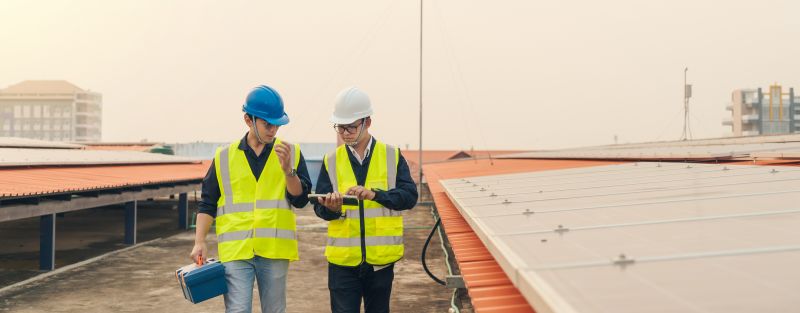

During a professional roof certification, property owners can expect a thorough inspection of the roof's overall condition. Local contractors typically examine key areas such as shingles, flashing, gutters, and ventilation systems to identify any signs of damage, wear, or potential leaks. This process often involves walking on the roof to assess its surface and may include the use of specialized tools to evaluate the integrity of roofing materials. Homeowners or property managers might be present during the inspection to ask questions or gain a better understanding of the roof’s current state, especially if they are preparing for a sale, refinancing, or simply want peace of mind about their investment.
In addition to the visual assessment, service providers usually provide a detailed report highlighting any issues found and explaining their significance. Property owners might also receive recommendations for repairs or maintenance to prolong the roof’s lifespan. It’s common for local pros to discuss the certification process itself, clarifying what it entails and how it can benefit the property’s value or insurance requirements. Overall, a professional roof certification offers a clear picture of the roof’s condition, helping property owners make informed decisions about repairs, upgrades, or ongoing upkeep.
What is checked during a professional roof certification? A qualified service provider will inspect the roof's overall condition, looking for signs of damage, wear, and potential issues that could affect its integrity or safety.
How long does a roof certification typically take? The process usually involves a thorough inspection that can vary in duration depending on the roof's size and complexity, but it generally takes a few hours to complete.
What should I do to prepare for a roof certification? Homeowners are advised to ensure easy access to the roof and clear the area around the property to allow the local contractor to perform a comprehensive assessment without obstructions.
What are common signs a roof might need certification? Visible issues such as missing or damaged shingles, sagging areas, or leaks can indicate that a professional inspection and certification are advisable.
What happens after a roof certification is completed? The local service provider will provide a report detailing the roof's condition, which can be used for property transactions or maintenance planning.
Understanding inspection procedures - property owners can learn what aspects of their roof will be examined and how the inspection process is conducted by local contractors.
Identifying common issues - recognizing potential problems such as leaks or damage helps property owners prepare for what to expect during the certification.
Reviewing report details - knowing how findings are documented allows owners to understand the results and any recommended repairs or maintenance.
Planning future maintenance - insights gained can guide property owners in scheduling upkeep or repairs to maintain roof integrity after certification.
If you are thinking about what to expect during a professional roof certification for a property, this guide is meant to help you understand this topic, the typical project types, and how different options might fit your plans.
When you are ready, you can use the quote form on this page to share a few details about your project. From there, local pros can review the basics and follow up with options that match what you have in mind.